
Oct 28, 2026
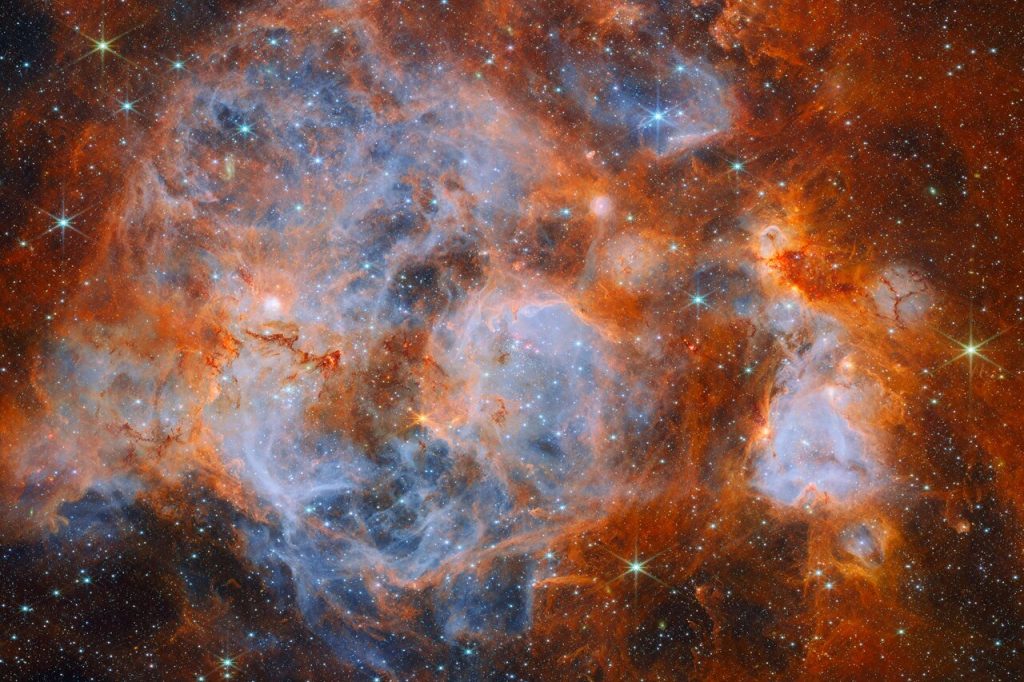
Webb Maps Star Birth in N159, a Nebula 161,000 Light-Years Away
Webb's infrared view of N159 reveals young stars in dense gas clouds. Here's what the observations show, and…
New to space or a lifelong stargazer? Discover remarkable worlds, find out what is happening overhead, and follow the missions taking us farther. You belong here.
Five skywatching highlights for November 2026, including Mars near Jupiter, the Leonid meteor shower, and the November 24 supermoon. NASA-verified dates and practical…
Discover the storyAlready know your way around the sky?
Go straight to observing tools, research links, and detailed mission reporting.
The Sun and planets use authentic NASA and ESA spacecraft or telescope observations. The positions, motion, and relative sizes shown here are illustrative, not a live simulation and not to scale. Saturn is from Hubble's 2019 observation (NASA, ESA, A. Simon, M. H. Wong). View the original Saturn image and credits ↗.
This is a real picture from the Webb space telescope. You're looking at a star-forming region in a nearby galaxy. No telescope at home required, just a little curiosity.
See one remarkable picture, try five quick questions, and catch up on the latest discoveries. Explore at your own pace. Quiz progress and saved items stay in this browser.
The latest space discoveries and rocket launches, in one easy-to-explore place.
Five questions. One fresh challenge every day.
See upcoming liftoffs and add them to your calendar. Always double-check times before launch.
Rocket launches, spacecraft visits, and important space events. Dates and times can change.
Sun, Nov 8 · 2:25 pm CST
Mon, Nov 9 · 9:03 pm CST
Tue, Nov 10 · 11:00 pm CST
Wed, Nov 11 · 5:40 am CST
Thu, Nov 12 · 10:23 pm CST
For launch watchers and experienced sky observers, the technical mission calendar, Moon timing, and live space-weather measurements are still here.
Follow the next launch, see what's in the sky, or explore verified science updates.
Nov 8, 2026 · 2:25 pm CST
Nov 9 · 1:02 am CST
This measures disturbances in Earth's magnetic field. It does not tell you whether auroras will be visible where you are.
Kp is NOAA's worldwide magnetic-activity index from 0 (very quiet) to 9 (extreme). The latest reported value is 3.3. Values of 5 or higher indicate geomagnetic storm conditions. This is not an aurora forecast for your location.
NOAA's explanation ↗Discover an authentic astronomy image, with its original source and credit.
You do not need expensive equipment to enjoy the sky. Explore beginner guides, get practical telescope advice, or open deeper planning tools when you are ready.
New to astronomy? Start with the Beginner Stargazing Guide →Decide whether tonight is worth setting up and when the darkest window arrives.
Use optical math and practical tradeoffs before spending money.
Plan camera field, target framing, star exposure, and battery runtime.
Save launches, follow mission events, and put major sky dates on your calendar.
Save stories, follow missions, build observing plans, and keep your gear profiles together in this browser.
Daily Quiz, constellations, Lunar 50, and Messier 110 progress will appear here.
Save a story or mission and your most recent item will appear here.
Webb's infrared view of N159 reveals young stars in dense gas clouds. Here's what the observations show, and…
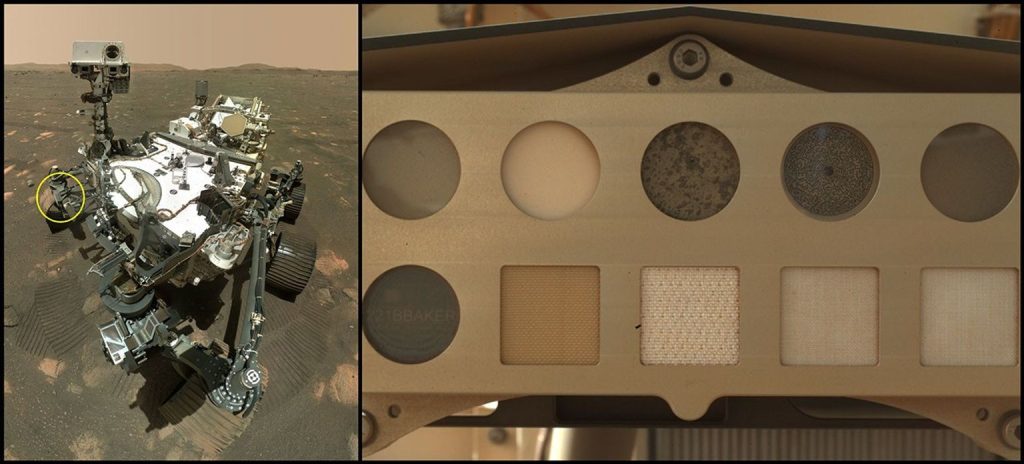
NASA's Mars rover measured dust on spacesuit-material samples, including particles far smaller than a human hair. The findings…
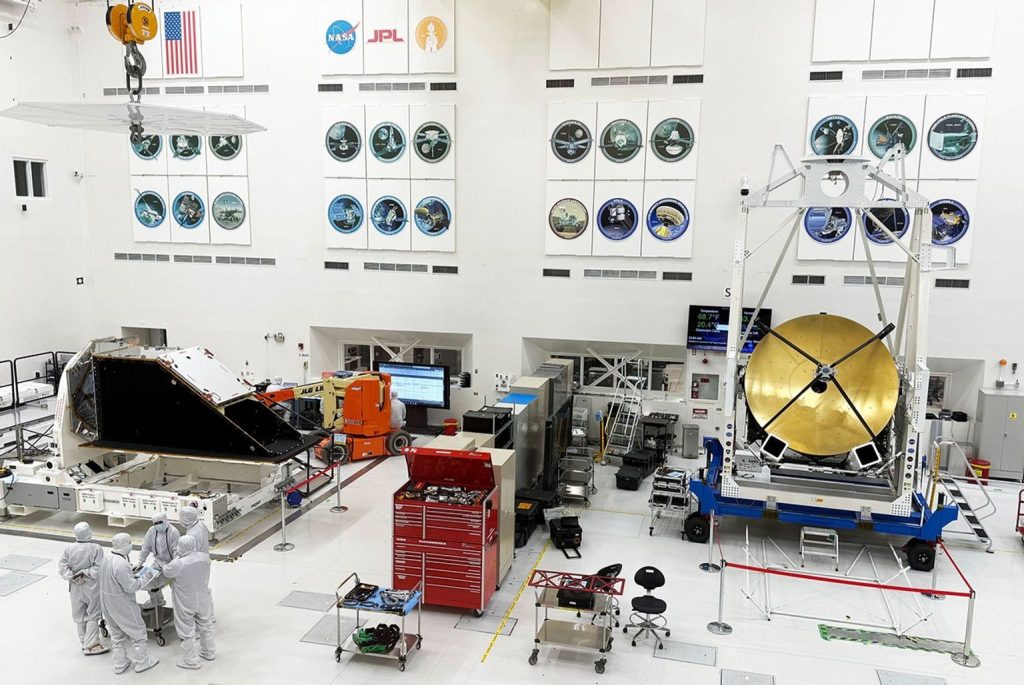
Engineers have completed ground checks of NEO Surveyor's 20-foot sunshade and 864 solar cells. The asteroid-hunting telescope has…
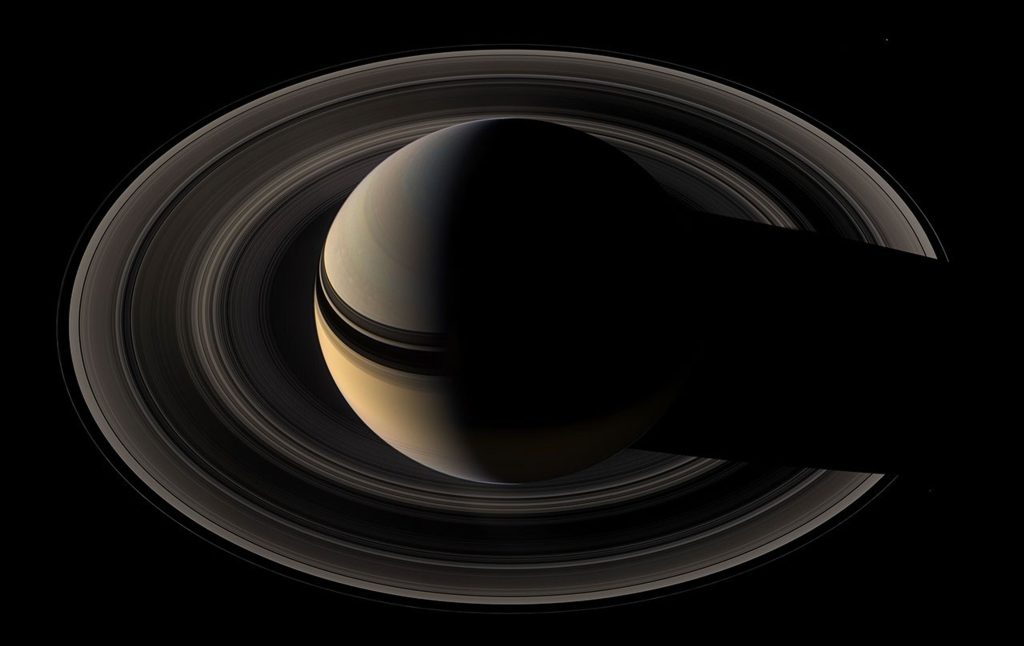
NASA’s October skywatching guide highlights Saturn at opposition, the Orionid meteor shower, a crescent Moon near Jupiter, and…
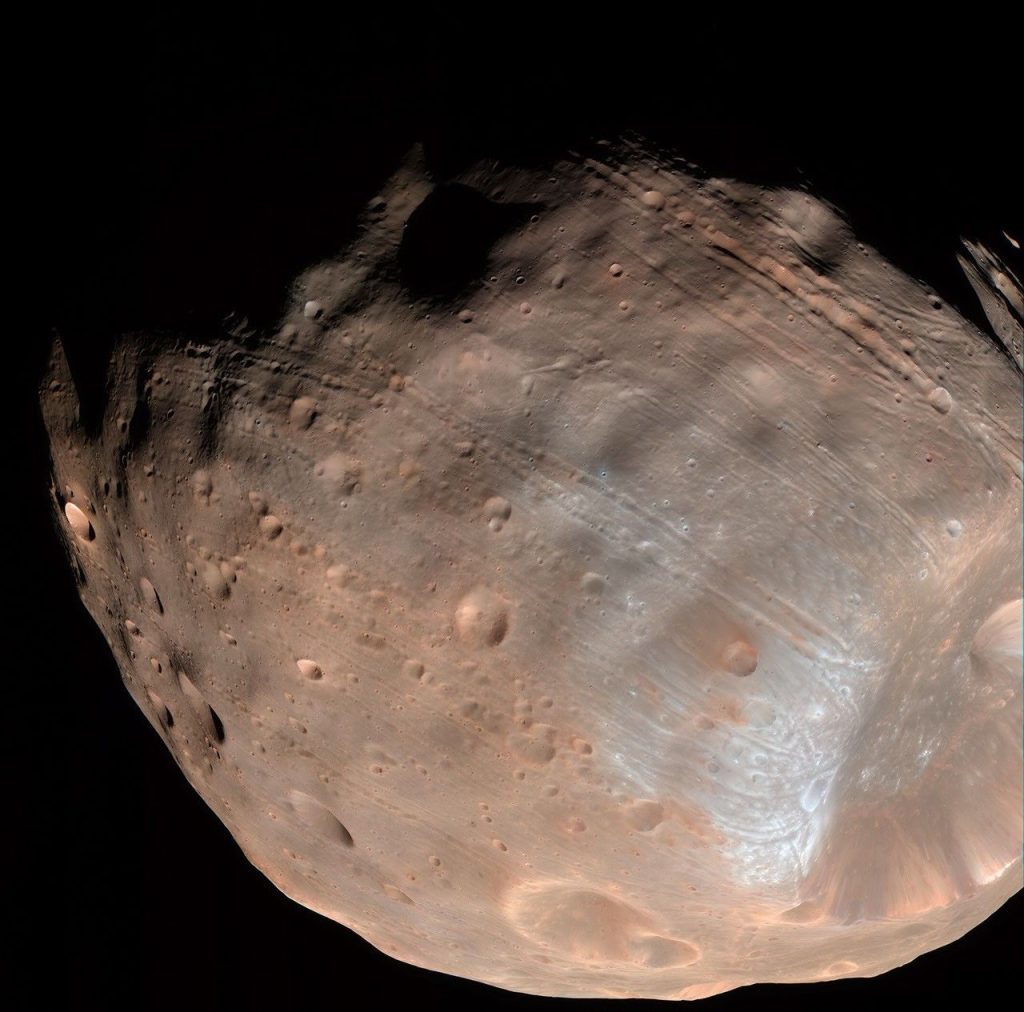
Japan’s MMX spacecraft launched aboard an H3 rocket on October 19, 2026. The mission aims to study Mars’s…
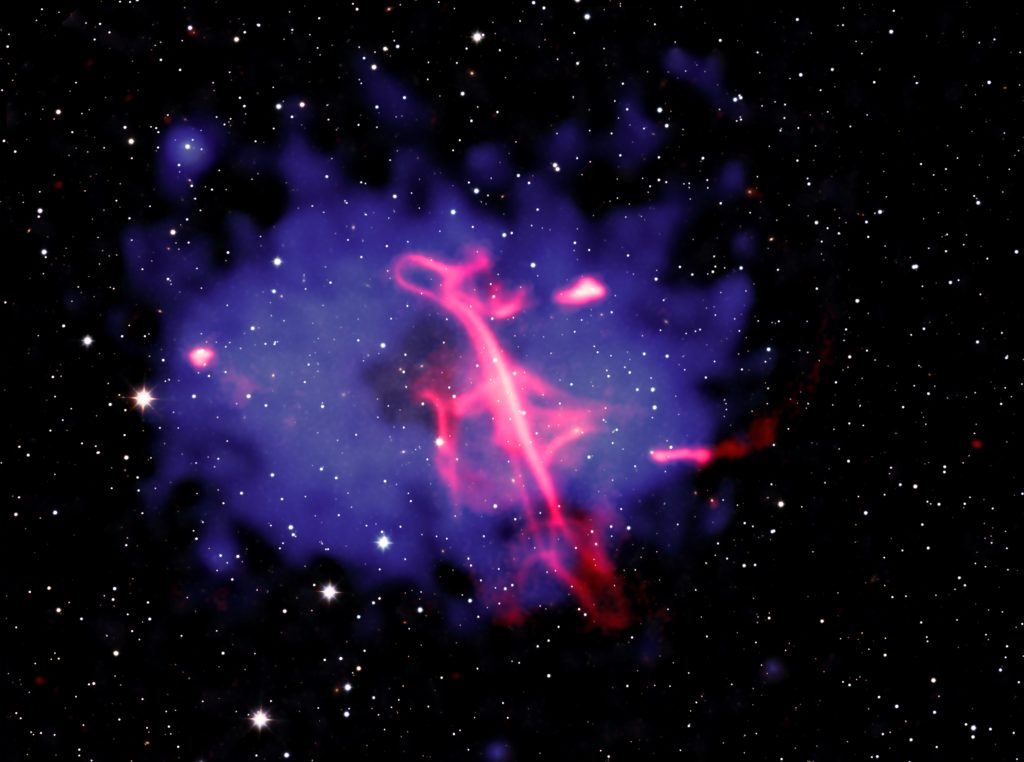
Chandra, eROSITA and radio observations suggest the 'Treble Clef' is a radio phoenix: old black-hole plasma apparently reenergized…
Agency-published headlines, with source dates and original links. Feed updates are cached and are not a live event feed or StarStation reporting.
Newest feed item: Recent agency release · Nov 7, 2026. Date of article, not feed-refresh time.
Newest feed item: Older agency releases · Oct 29, 2026. Date of article, not feed-refresh time.
Automatic headlines are temporarily unavailable from this source. Open the official newsroom for current reporting.
Read official updates ↗Follow the facilities changing how astronomers study exoplanets, black holes, galaxies, dark matter, and the changing sky. StarStation separates what is operating now from what is still under construction.
Technical first light remains targeted for March 2029.
A wide-field view built to repeatedly scan the southern sky.
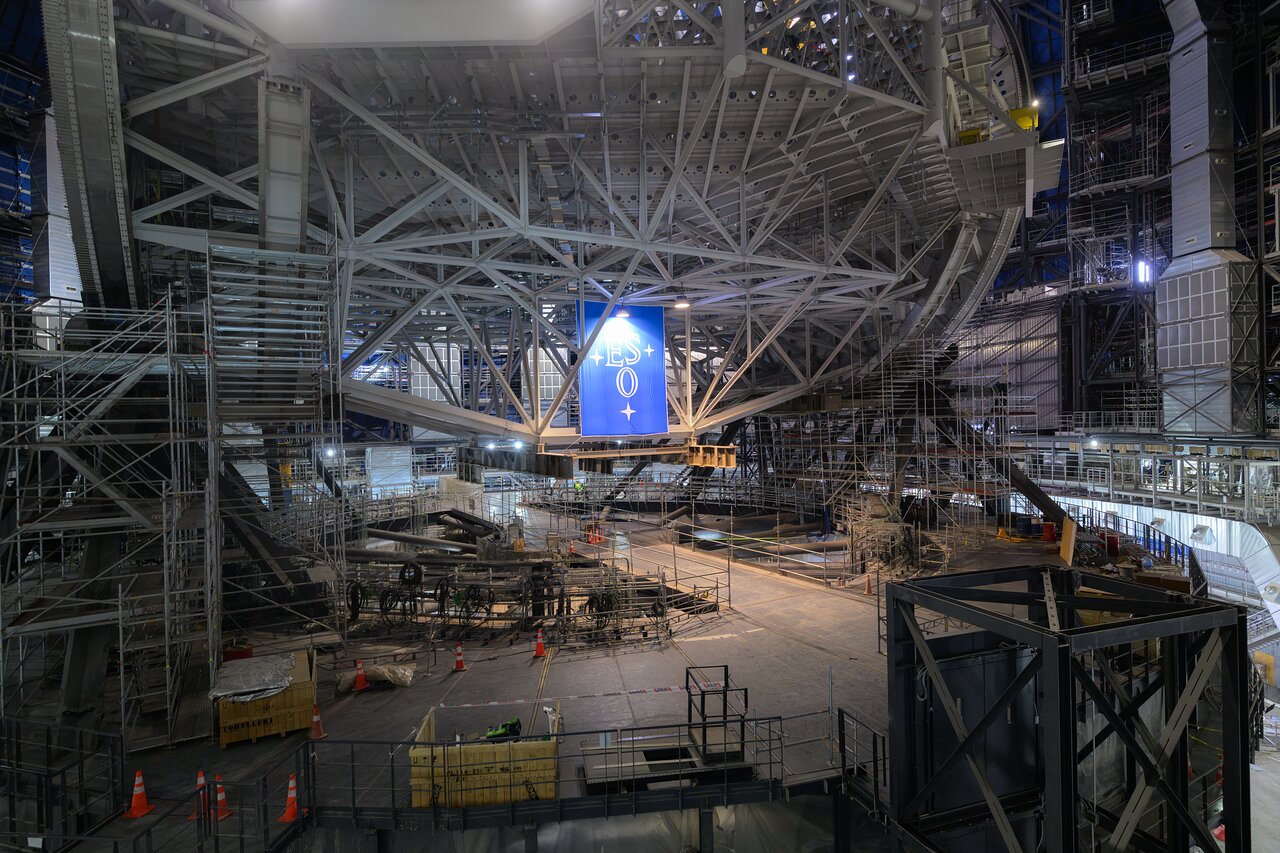
128-foot primary mirror • 798 segments • Cerro Armazones, Chile
Photo: ESO/A. Russell • CC BY 4.0
Talk with other readers about discoveries, missions, observing, gear, and the night sky. Article discussions and the Community Lounge are open for moderated conversation.
Go straight to astronomy research, missions, the solar system, observing guides, launches, or astrophotography. Each desk keeps related reporting and tools together.
Stars, galaxies, black holes, cosmology and new research.
Human spaceflight, robotic missions and the technology taking us farther.
The Sun, Moon, planets, asteroids, comets and everything in our celestial neighborhood.
Meteor showers, eclipses, visible planets and what to look for tonight.
Deep-space discoveries, dark matter, gravitational waves and cosmic origins.
Follow major observatories, planetary missions and spacecraft milestones.
Upcoming launches, mission objectives, delays and post-launch coverage.
Remarkable images, imaging techniques and reader submissions.
Live lunar-phase timing from the U.S. Naval Observatory plus current observing highlights and monthly skywatching coverage.
Open Tonight's Sky → Launch CenterLive launch schedules, official webcast links when available, plus mission events such as dockings, flybys, landings, and spacecraft milestones.
Open launch center →Reader support can help cover hosting, astronomy data services, original explainers, media, and the tools behind StarStation. Sponsorship opportunities are kept separate from editorial decisions.
Read our original astronomy reporting, and use the live launch and skywatching tools. Email briefings are coming; follow new articles through our free RSS feed now.
Check current observing conditions, follow upcoming missions, or try a new five-question astronomy challenge each day. No account needed.