
November 2026 Skywatching: Mars Meets Jupiter, Leonid Meteors, and a Supermoon
Five skywatching highlights for November 2026, including Mars near Jupiter, the Leonid meteor shower, and the November 24 supermoon. NASA-verified dates and practical viewing tips.
The story in plain English
Five skywatching highlights for November 2026, including Mars near Jupiter, the Leonid meteor shower, and the November 24 supermoon. NASA-verified dates and practical viewing tips.
Updated November 8, 2026. You don’t need an expensive telescope to enjoy November’s night sky. Several of this month’s best sights are visible with your eyes alone, including two meteor showers, Mars appearing close to Jupiter, and a full Moon that NASA calls a supermoon. Here are the dates still ahead, along with what to realistically expect.
November 12: Watch for bright Taurid meteors
The Northern Taurid meteor shower peaks around November 12. This isn’t a shower known for huge numbers. NASA puts the rate at roughly five meteors per hour in ideal conditions, and most people will see fewer. The draw is the chance of an especially bright meteor, sometimes called a fireball. Find a dark spot away from streetlights and look across a wide area of sky rather than staring at one star.
November 15–16: Jupiter and Mars look unusually close
Head outside before sunrise and look toward the southeast. Jupiter and Mars will appear only about 1.2 degrees apart, a little more than the apparent width of two full Moons. Jupiter will be the brighter point of light, with reddish Mars nearby. The planets are not actually close together in space; this is a line-of-sight pairing as seen from Earth. No telescope is required, although binoculars may make the view more enjoyable.
November 17–18: The Leonid meteor shower
The best viewing window NASA highlights is before dawn on November 17 and 18, after the Moon has set. Under very dark, ideal skies, the Leonids could produce about 15 meteors per hour. That is an upper-end expectation, not a promise for your backyard. Give your eyes about 30 minutes to adjust to darkness, bring a chair or blanket, and avoid checking a bright phone screen.
November 17: A quiet milestone for Voyager 1
There’s also space history to celebrate. NASA expects Voyager 1 to reach a distance of one light-day from Earth around November 17. At that distance, a radio message takes about 24 hours to travel one way, with roughly another 24 hours for a response to arrive. You won’t be able to see the spacecraft in the night sky, but the milestone shows how far a mission launched in 1977 has traveled. NASA is inviting the public to celebrate through its Voyager program.
November 24: Look for the full supermoon
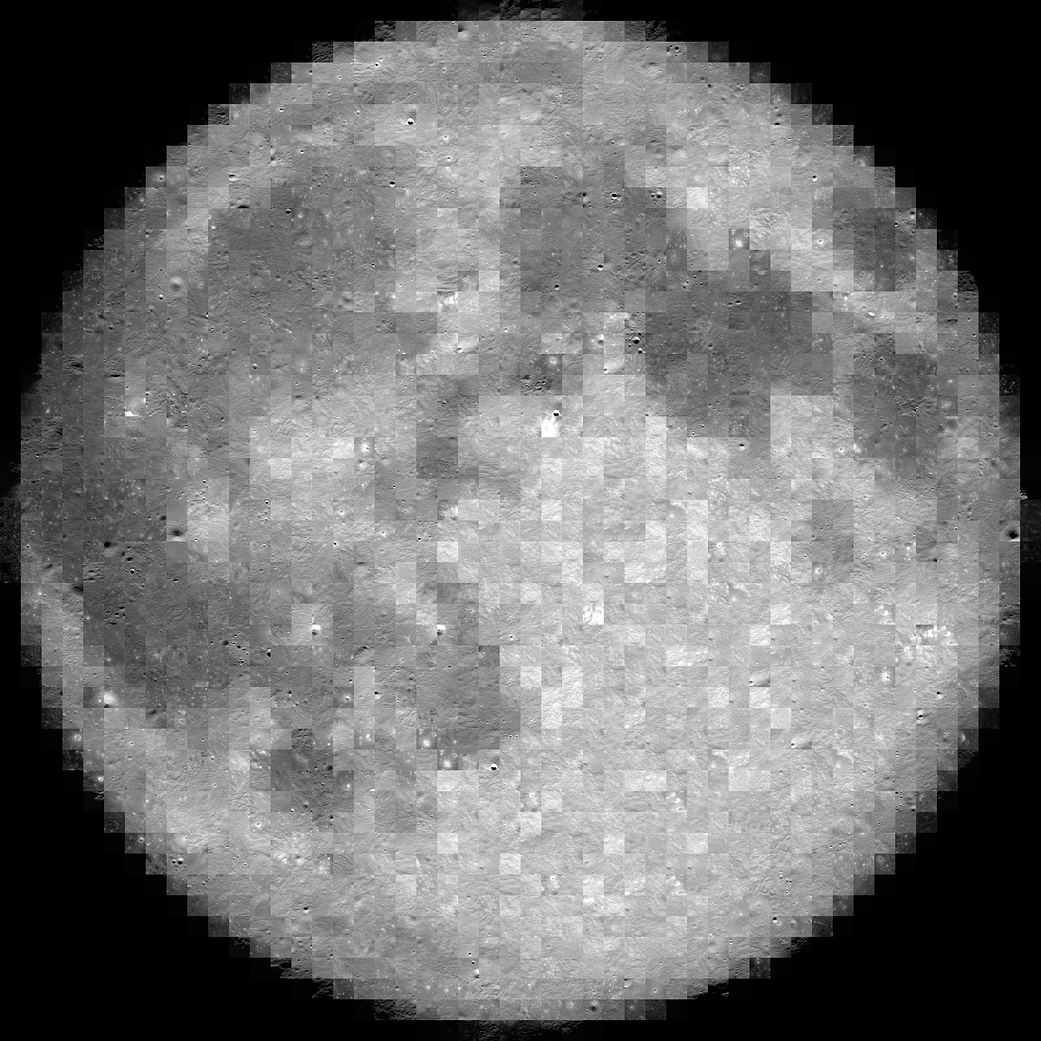
Look east around sunset on November 24 as the full Moon rises. A supermoon occurs when a full Moon happens relatively close to Earth in its slightly oval orbit, making it somewhat larger and brighter than an average full Moon. The difference is usually subtle, not a giant Moon filling the sky. If the Moon seems enormous just above the horizon, much of that impression comes from the Moon illusion.
Make the most of your next clear night
For meteors, the darker the location, the better. Give your eyes time to adjust and be patient. For the Mars–Jupiter pairing, set an alarm for before sunrise and choose a spot with a clear view to the southeast. For the supermoon, a clear eastern horizon is more important than a telescope. Weather and local Moonset times will affect what you can actually see.
Watch NASA’s November skywatching guide
Source and fact-check: NASA/JPL-Caltech, “What’s Up: November 2026 Skywatching Tips”, published November 2, 2026. Dates and predicted meteor rates are estimates; visibility varies with weather, location, and sky brightness.
Featured image note: NASA Lunar Reconnaissance Orbiter Moon mosaic, used as a reference image of the Moon rather than a photograph of the November 24, 2026 supermoon. Credit: NASA/GSFC/Arizona State University.
Primary source: NASA/JPL-Caltech ↗
Start the conversation