
Euclid Discovers Its First New Comet While Mapping Distant Galaxies
ESA says Euclid identified comet C/2026 S1 in September images, and the Minor Planet Center confirmed it October 8. The comet was about 810 million miles from Earth at the time of ESA's report; its orbit remains subject to refinement.
The story in plain English
ESA says Euclid identified comet C/2026 S1 in September images, and the Minor Planet Center confirmed it October 8. The comet was about 810 million miles from Earth at the time of ESA's report; its orbit remains subject to refinement.
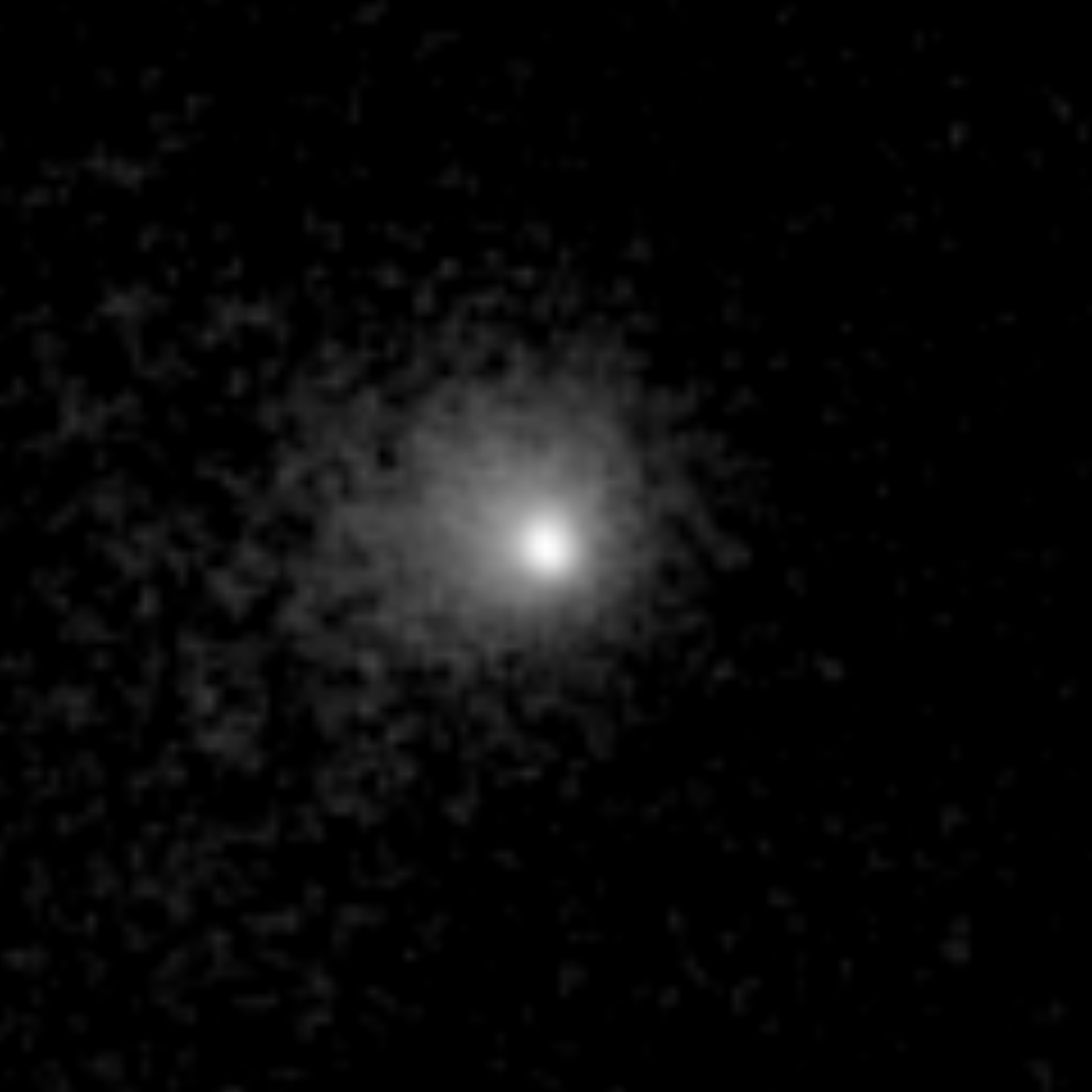
A telescope built to study the large-scale universe has made an unexpected discovery much closer to home. The European Space Agency reported on October 19, 2026, that its Euclid space telescope identified a previously unknown comet in images collected between September 16 and 24.
How the comet was found
The object, now designated C/2026 S1 (Euclid), appeared as a moving streak in Euclid observations. Researcher Mikko Pöntinen, working with the Euclid Consortium’s Solar System Objects Science Working Group, used software designed to flag moving objects. Follow-up inspection revealed a diffuse surrounding cloud consistent with comet activity. Observers checked existing catalogs before submitting the find to the International Astronomical Union’s Minor Planet Center, which confirmed the comet on October 8.
ESA reports that the comet was about 810 million miles (1.3 billion kilometers) from Earth at the time of its October announcement. Its long, highly inclined path may take thousands of years to complete, but its precise orbital period is still being refined. The distance is from Earth, not from the Sun, and the comet should not be described as a naked-eye skywatching target.
Why a galaxy-mapping telescope noticed a comet
Euclid’s main mission is to map galaxies and investigate how dark matter and dark energy shape the universe. Its planned observations generally avoid the busy plane of the Solar System, and the telescope does not normally revisit the same sky patch repeatedly. That makes the comet’s appearance in several images an unusual opportunity. The team found it in five sets of observations, with 16 exposures overall.
The discovery also tested a process for alerting ground-based observers to moving objects found by a deep-space survey. ESA cautions that this particular comet is not a suitable target for the future Comet Interceptor mission. Detecting one does not mean Euclid has changed its scientific priorities or become a dedicated comet hunter.
Source and image standards
Primary reporting: ESA, October 19, 2026: Euclid discovers new comet. The source links to original telescope composites and Minor Planet Center confirmation. Featured image: an authentic Euclid VIS observation of the comet, credited to ESA/Euclid/Euclid Consortium/NASA, M. Pöntinen et al. 2026, under CC BY-SA 3.0 IGO. The eight telescope exposures were aligned and combined by the mission team, and the result is not a natural-color photo or AI illustration. Original image, explanation and license.
Primary source: European Space Agency ↗
Start the conversation