
Next solar eclipse
Annular solar eclipse
February 6, 2027
Annularity crosses parts of South America and western Africa. A partial eclipse is visible across much broader surrounding regions.
NASA eclipse map ↗Upcoming solar and lunar eclipses, local countdowns, visibility regions, official NASA maps, and safe-viewing guidance in one place.
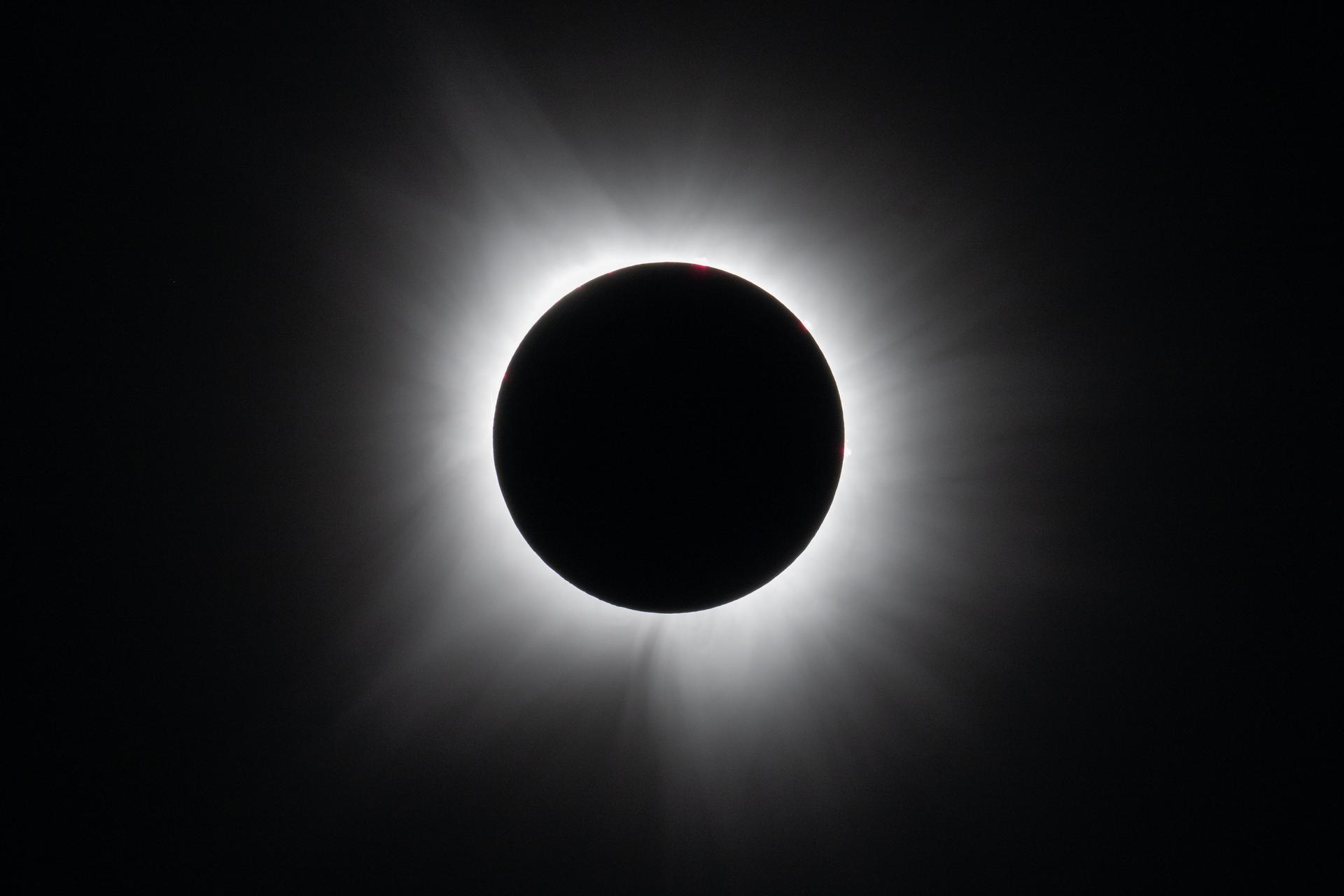
February 6, 2027
Annularity crosses parts of South America and western Africa. A partial eclipse is visible across much broader surrounding regions.
Countdown is to NASA's listed greatest-eclipse time. Local contact times vary by location and must be checked on the official map or local-circumstances tools.
February 6, 2027
Annularity crosses parts of South America and western Africa. A partial eclipse is visible across much broader surrounding regions.
NASA eclipse map ↗February 20–21, 2027
Visible from the Americas, Europe, Africa, Asia, Australia, and Antarctica.
NASA eclipse data ↗Annularity crosses parts of South America and western Africa. A partial eclipse is visible across much broader surrounding regions.
Visible from the Americas, Europe, Africa, Asia, Australia, and Antarctica.
Visible primarily from eastern Africa, Asia, Australia, and the Pacific region.
Totality crosses southern Spain, North Africa, Saudi Arabia, and Yemen. A partial eclipse covers a much larger region.
Visible from much of the Americas and Pacific, with additional visibility across parts of other surrounding regions.
Annularity crosses parts of Ecuador, Peru, Brazil, Suriname, Spain, and Portugal.
Totality crosses parts of Australia and New Zealand, with partial phases visible across a wider region.
Except during the brief total phase of a total solar eclipse, direct solar viewing requires proper solar protection. Ordinary sunglasses, camera filters, exposed film, smoked glass, or improvised materials are not safe substitutes.
Use properly certified eclipse glasses or handheld solar viewers from reputable sources for direct viewing outside totality.
Telescopes, binoculars, and camera lenses require a proper solar filter secured over the objective end. Never look through unfiltered optics at the Sun.
Review NASA's eclipse safety guidance before observing or photographing a solar eclipse.
NASA eclipse safety ↗Use StarStation's Space + Sky Calendar for launches, mission events, and Moon phases, then Tonight's Sky for local Sun and Moon timing plus observing weather.