Moon observing project

Lunar 50 Challenge

Learn the Moon as a landscape, not just a phase. Track 50 maria, craters, mountains, valleys, rilles, scarps, and unusual surface features in your own browser.

Observing principle

Follow the terminator.

NASA recommends observing lunar craters and mountains during phases other than full Moon because lower-angle sunlight creates shadows that make relief easier to see. The moving day-night boundary gives familiar features a different appearance from night to night.

NASA Moon viewing tips ↗
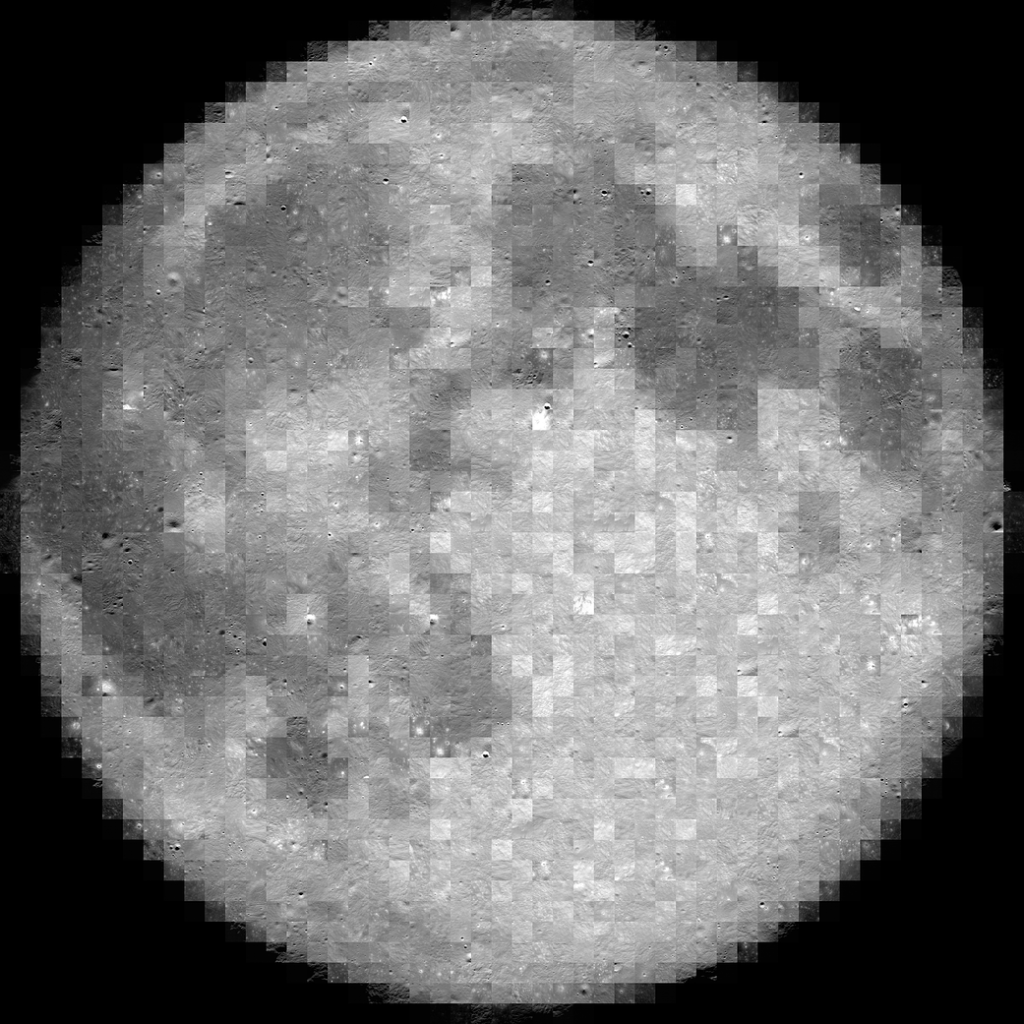
Full Moon photomosaic assembled from Lunar Reconnaissance Orbiter images
Learn the actual lunar surface

NASA LRO Moon Mosaic

This full-Moon photomosaic is assembled from 1,231 Lunar Reconnaissance Orbiter Narrow Angle Camera images. It is a better reference for a lunar learning challenge than stylized Moon artwork.

Image credit: NASA Scientific Visualization Studio / Lunar Reconnaissance Orbiter.

NASA Moon Mosaic source ↗
Observed
0 / 50

0% complete

Maria + plains
0 / 12

Large-scale landmarks for learning lunar geography.

Craters
0 / 27

Impact features ranging from obvious ray craters to smaller telescopic targets.

Relief + terrain
0 / 11

Mountains, valleys, rilles, scarps, and Reiner Gamma.

Your lunar map project

50 landmarks to learn

50 features
01
Maria + plains

Mare Crisium

Binocular Not observed
02
Maria + plains

Mare Fecunditatis

Binocular Not observed
03
Maria + plains

Mare Serenitatis

Binocular Not observed
04
Maria + plains

Mare Tranquillitatis

Binocular Not observed
05
Maria + plains

Mare Nectaris

Binocular Not observed
06
Maria + plains

Mare Imbrium

Naked eye / binocular Not observed
07
Maria + plains

Mare Frigoris

Binocular Not observed
08
Maria + plains

Mare Nubium

Binocular Not observed
09
Maria + plains

Mare Humorum

Binocular Not observed
10
Maria + plains

Oceanus Procellarum

Naked eye / binocular Not observed
11
Maria + plains

Sinus Iridum

Binocular / telescope Not observed
12
Maria + plains

Sinus Medii

Binocular / telescope Not observed
13
Craters

Langrenus

Binocular / telescope Not observed
14
Craters

Petavius

Binocular / telescope Not observed
15
Craters

Cleomedes

Binocular / telescope Not observed
16
Craters

Theophilus

Binocular / telescope Not observed
17
Craters

Cyrillus

Binocular / telescope Not observed
18
Craters

Catharina

Binocular / telescope Not observed
19
Craters

Aristoteles

Binocular / telescope Not observed
20
Craters

Eudoxus

Binocular / telescope Not observed
21
Craters

Plato

Binocular / telescope Not observed
22
Craters

Archimedes

Binocular / telescope Not observed
23
Craters

Ptolemaeus

Binocular / telescope Not observed
24
Craters

Alphonsus

Binocular / telescope Not observed
25
Craters

Arzachel

Binocular / telescope Not observed
26
Craters

Tycho

Naked eye / binocular Not observed
27
Craters

Clavius

Binocular / telescope Not observed
28
Craters

Eratosthenes

Binocular / telescope Not observed
29
Craters

Copernicus

Naked eye / binocular Not observed
30
Craters

Aristarchus

Binocular / telescope Not observed
31
Craters

Gassendi

Binocular / telescope Not observed
32
Craters

Kepler

Binocular / telescope Not observed
33
Craters

Grimaldi

Binocular / telescope Not observed
34
Craters

Schickard

Telescope Not observed
35
Craters

Picard

Telescope Not observed
36
Craters

Proclus

Telescope Not observed
37
Craters

Manilius

Telescope Not observed
38
Craters

Pitatus

Telescope Not observed
39
Craters

Fra Mauro

Telescope Not observed
40
Relief + terrain

Montes Alpes

Telescope Not observed
41
Relief + terrain

Montes Apenninus

Binocular / telescope Not observed
42
Relief + terrain

Mons Hadley

Telescope Not observed
43
Relief + terrain

Mons Piton

Telescope Not observed
44
Relief + terrain

Mons Pico

Telescope Not observed
45
Relief + terrain

Rupes Altai

Telescope Not observed
46
Relief + terrain

Rima Hyginus

Telescope Not observed
47
Relief + terrain

Vallis Schroteri

Telescope Not observed
48
Relief + terrain

Vallis Alpes

Telescope Not observed
49
Relief + terrain

Rupes Recta

Telescope Not observed
50
Relief + terrain

Reiner Gamma

Telescope Not observed
See more by changing the light

The same crater can look new two nights later.

Lunar observing rewards repetition. Low Sun angles create long shadows near the terminator. Near full Moon, ray systems and albedo differences can become more conspicuous even while topographic relief looks flatter.

Independent challenge

This is a StarStation learning project, not an official award checklist.

The Astronomical League has its own Lunar Observing Program with 100 required features and specific certification rules. StarStation’s Lunar 50 is an independent, shorter selection designed to help readers learn common lunar geography and build observing habits. If you want an official certificate or pin, follow the Astronomical League’s current requirements and logs.